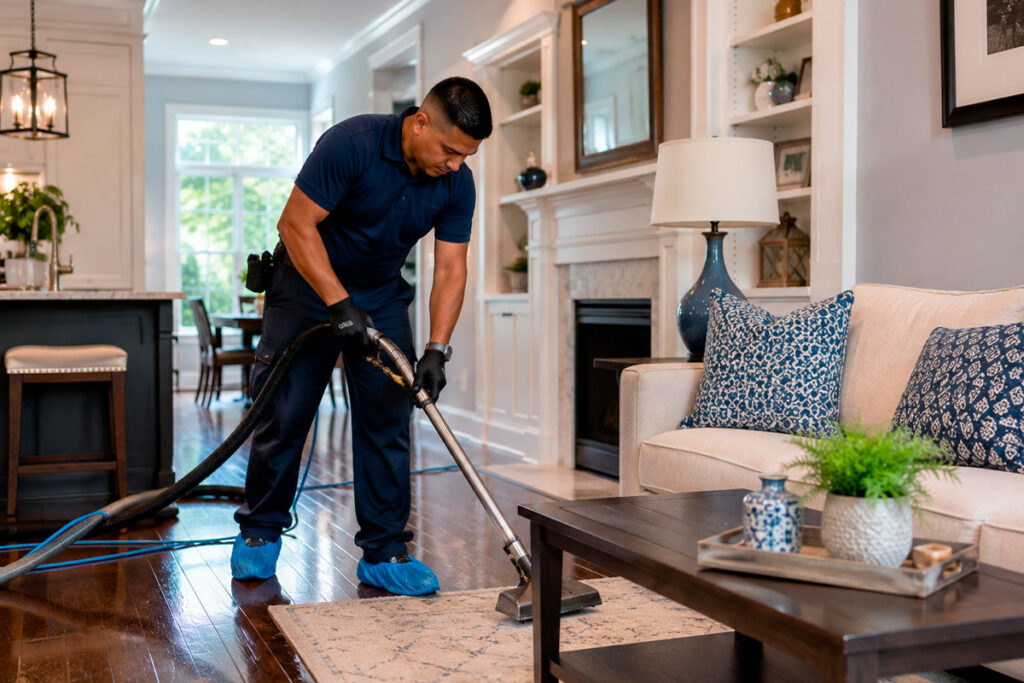
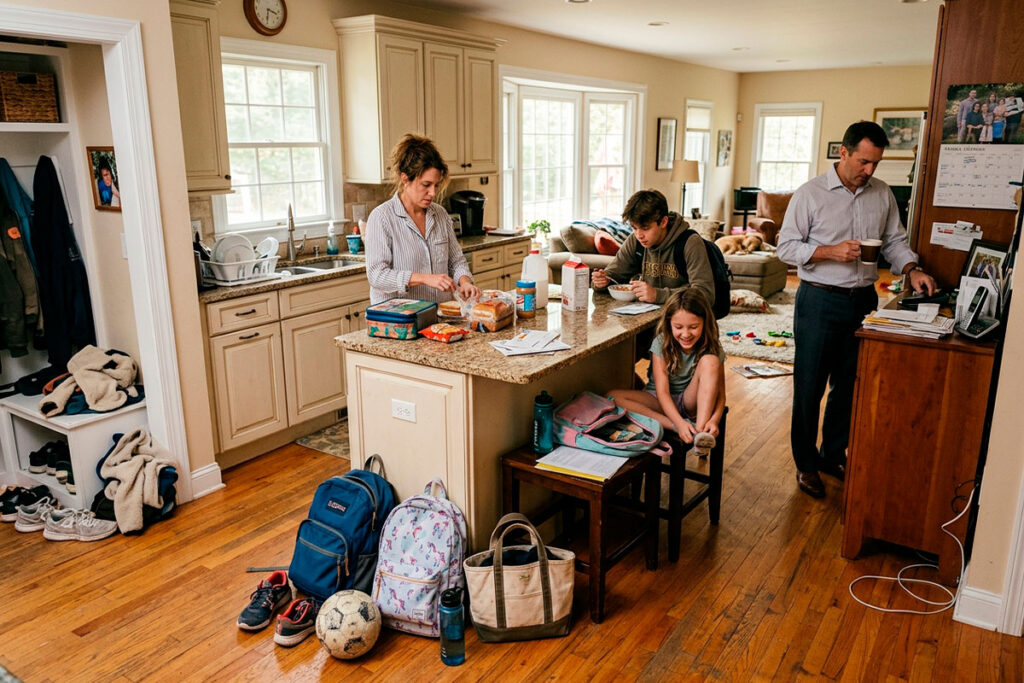
The return to school often changes more than the morning schedule. Family calendars fill up with homework, practices, appointments, work commitments and the small daily responsibilities that seemed easier to manage during summer.
That is when many households discover that keeping the house clean is not necessarily about needing to clean more. The real challenge is finding a house cleaning routine that fits the way the family actually lives once September brings everyone back to a faster pace.
A routine that works should make home maintenance more manageable, not create another schedule to keep up with.
A cleaning routine should fit your life, not compete with it
During the summer, household routines can be more flexible. School is out, vacations interrupt the normal schedule, and families may have more freedom to decide when chores get done.
September changes that rhythm. Mornings become structured again, work schedules take priority, children return to school and extracurricular activities begin filling evenings and weekends. The home still needs regular attention, but the time available to provide it often becomes less predictable.
That is why a realistic cleaning routine starts with the household’s actual schedule, rather than an idealized list of chores.
Start with the parts of the home that need attention most often
Not every room creates the same amount of work.
Kitchens, bathrooms, entryways and other high-traffic areas usually need more consistent attention because they are used repeatedly throughout the week. Bedrooms, guest rooms and lower-traffic spaces may follow a different rhythm.
A practical routine should recognize those differences instead of treating every room as though it requires the same amount of cleaning at the same frequency.
Consistency matters more than trying to do everything at once
One of the most common problems with household cleaning is the cycle of postponing tasks until the home needs a major catch-up session.
A better approach is to establish a manageable rhythm that keeps routine maintenance from becoming an overwhelming weekend project. Consistency creates predictability, which makes it easier to notice when something genuinely needs deeper attention.
This is particularly useful once the school year and regular work schedules return. A cleaning plan does not have to be complicated to be effective. It simply has to be realistic enough to follow week after week.
Build the routine around your household’s available time
A family with two working parents, school-aged children and multiple afternoon activities may have a very different cleaning capacity from a household with a more flexible schedule.
The right routine should take into account who is home, when the busiest days occur and which responsibilities can realistically be handled without creating unnecessary stress.
For some households, that may mean handling smaller maintenance tasks throughout the week. For others, it may mean keeping personal upkeep simple and using recurring professional cleaning to take a significant portion of the regular workload off the calendar.
September is a useful time to reset the system
The beginning of the school year creates a natural opportunity to reassess how the household is being maintained.
Rather than waiting until cleaning becomes difficult to manage, families can look at what worked during the summer, what no longer fits their schedule and where outside help could make the routine more sustainable.
The goal is not a perfect home every day. It is a home that can stay reasonably well maintained without cleaning becoming a constant source of stress or an activity that takes over the weekend.
A routine works better when it is built around frequency

One of the easiest ways for household cleaning to become overwhelming is to treat every task as though it needs to happen at the same time.
In reality, different areas of a home need different levels of attention. The kitchen may need frequent maintenance because it is used every day, while a guest room may require much less attention between visits. A sustainable cleaning routine works by matching tasks to how quickly the home actually becomes dirty.
That makes the routine easier to maintain and reduces the need for large catch-up sessions.
Separate regular maintenance from deeper cleaning
Regular cleaning is designed to keep everyday mess, dust and buildup under control. It focuses on the areas that receive the most use and need consistent attention.
Deep cleaning serves a different purpose. It addresses areas that may gradually accumulate grime or receive less frequent attention, making it useful when a home needs a more comprehensive reset.
Keeping those two purposes separate helps families avoid expecting a routine cleaning schedule to accomplish everything at once.
Think in terms of daily, weekly and less frequent needs
A useful household cleaning routine can be organized around how frequently different tasks realistically need to happen.
Daily responsibilities might include simple kitchen upkeep or dealing with visible messes. Weekly maintenance can address bathrooms, floors and other commonly used areas. Less frequent tasks can be incorporated when buildup becomes noticeable or when the home needs a deeper reset.
The exact schedule will vary by household. What matters is creating a rhythm that is practical enough to maintain consistently.
A realistic schedule leaves room for real life
Even the most carefully planned cleaning schedule can fail when it leaves no flexibility for the unexpected.
School events move. Work runs late. Families travel. Children become involved in new activities. A routine that depends on completing a long list on precisely the same day every week can quickly become frustrating.
A more sustainable approach leaves enough flexibility to accommodate those changes while still maintaining the home. The goal is consistency, not perfection.
Recurring cleaning can take the pressure off
For households with limited time, recurring professional cleaning can become part of the routine rather than something reserved for when the home has already fallen behind.
A regular service provides a predictable point of maintenance while allowing the household to focus its available time on the tasks that make sense for the family.
This can be particularly valuable during the school year, when the question is no longer whether the house needs cleaning, but how much of that responsibility the family realistically has time to manage itself.
The best cleaning routine is one your household can actually maintain

A cleaning routine should reduce the mental load of managing a home, not add another demanding project to an already full calendar. This becomes especially important in September, when school, work and family activities compete for the same limited hours.
Instead of asking whether your household can complete every chore each week, ask a more useful question: which parts of home maintenance need to happen consistently, and which can be handled less frequently or professionally?
Prioritize the tasks that affect daily life
Some cleaning tasks have a noticeable impact on how the home feels within just a few days. Kitchen surfaces, bathrooms, floors, entry areas and other frequently used spaces can quickly show signs of everyday activity.
Giving these areas priority helps a routine produce visible results without requiring the entire home to be cleaned from top to bottom every time. The rest of the house can follow a different frequency based on usage and household needs.
Avoid turning weekends into recovery time
When weekday schedules become demanding, it is tempting to postpone most household cleaning until Saturday or Sunday.
That can create a frustrating cycle: the family spends the week getting through school and work, then uses part of the weekend catching up on chores. Over time, the home may stay reasonably clean, but the household loses the downtime those days were supposed to provide.
A sustainable routine should help protect personal time, not quietly consume it.
Consider what keeps getting postponed
A useful way to evaluate your routine is to look at the tasks that repeatedly remain unfinished.
Maybe bathrooms are difficult to keep up with during busy weeks. Perhaps floors are consistently pushed to the weekend, or dusting falls behind because there never seems to be enough time.
Those repeated gaps are useful information. They can show where the current routine is unrealistic and where changing the frequency, simplifying the workload or bringing in professional support could make the system more manageable.
Let the routine adapt as your family changes
There is no reason for a cleaning routine to remain identical throughout the year.
A family’s schedule can change when school activities begin, work demands increase, guests arrive, or children become involved in new commitments. A routine that worked during a quieter summer period may need to be adjusted once September arrives.
The most effective routine is not necessarily the most detailed one. It is the one that continues to work when real life becomes busy.
A cleaning routine should make professional help easier to use
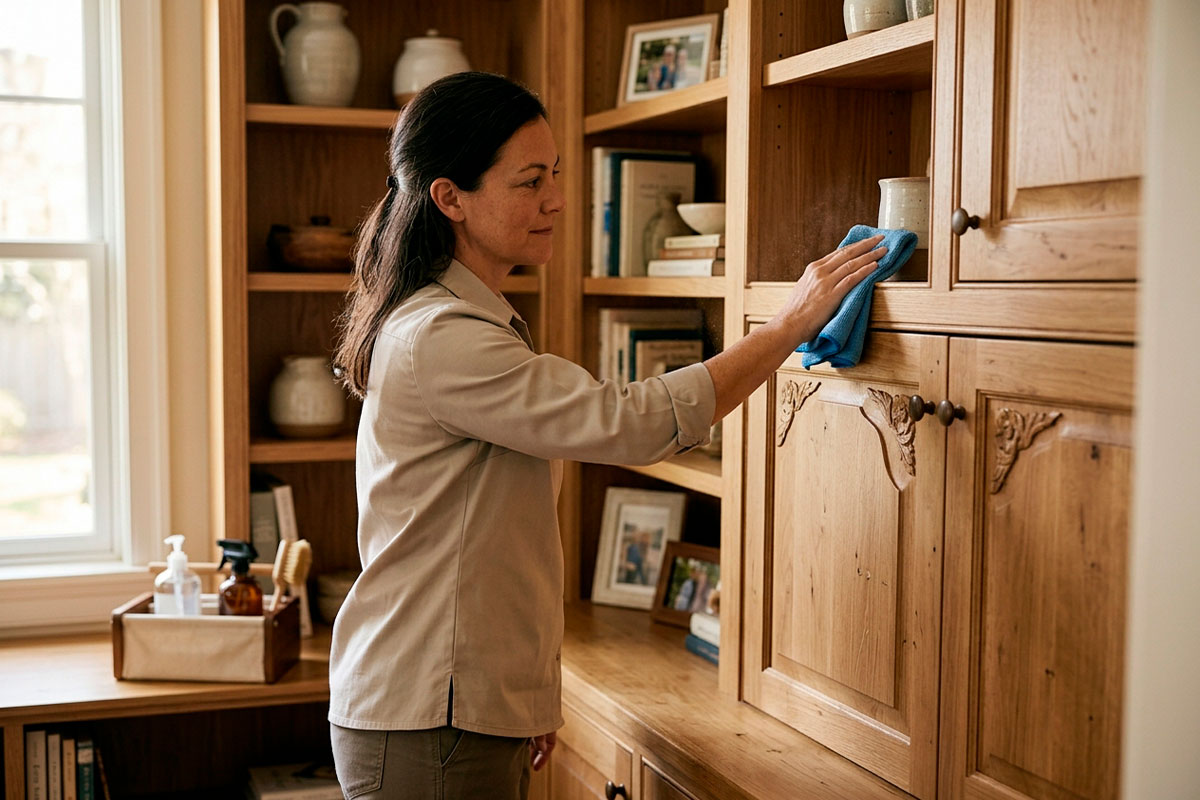
Professional cleaning does not have to replace every household responsibility. For many families, its value comes from taking care of the recurring work that is difficult to fit into an already busy week.
A predictable service can become one part of a broader house cleaning routine, while household members continue handling the smaller tasks that naturally happen between visits. This creates a more balanced approach to maintaining the home.
Decide what your family can realistically handle
Before choosing a cleaning frequency, consider the tasks your household can comfortably manage without turning them into another source of stress.
Simple day-to-day upkeep may still make sense for family members, while more time-consuming cleaning can be handled through scheduled professional visits. The division will look different in every home.
The important point is to build a system around actual capacity, rather than assuming the family will suddenly have more free time than it does.
Use recurring service to create consistency
Recurring cleaning can provide a dependable rhythm for households that struggle to keep up with regular maintenance.
Instead of waiting until the home feels noticeably overdue for attention, scheduled visits establish a consistent baseline. That can make the overall routine easier to manage because the most demanding cleaning responsibilities are already accounted for.
For busy Monmouth County families, that predictability can be particularly valuable once school, work and extracurricular activities are fully underway.
Start with the right level of support
Not every household needs the same degree of professional assistance.
Some may benefit from regular recurring visits, while others may first need a deeper reset before settling into a maintenance routine. Understanding that distinction can prevent families from expecting recurring cleaning to solve buildup that has already accumulated over time.
A practical approach is to identify what the home needs now and then determine what level of ongoing support can keep it manageable afterward.
A good routine should give you something back
The purpose of a cleaning routine is not to create a perfectly organized calendar of chores. It is to make the home easier to live in while leaving enough time for the people who live there.
When cleaning is distributed realistically between household maintenance and professional support, the routine can become less reactive and more predictable. That is especially valuable during the transition back into the school-year schedule, when free time becomes harder to find.
A sustainable routine should ultimately help the household spend less energy managing cleaning and more time managing the life that happens around it.
Build a routine that works around your schedule
A practical cleaning routine should make priorities clear without turning your week into a checklist of chores. For many Monmouth County families, the most sustainable approach is to combine simple household upkeep with regular professional support where it makes sense.
The goal is to keep the home consistently maintained while leaving enough flexibility for school, work, activities and unexpected changes.
Use frequency to keep the workload manageable
The following framework can help families think about cleaning according to how their home is actually used:
| Cleaning need | What it addresses | Practical approach |
|---|---|---|
| Everyday upkeep | Visible messes, spills, dishes, clutter and quick resets | Handle small tasks as part of the household’s normal daily rhythm |
| Regular maintenance | Dust, floors, bathrooms, kitchens and frequently used areas | Keep these areas on a predictable weekly or recurring schedule |
| Deeper buildup | Areas that receive less frequent attention or have accumulated grime | Use a deeper cleaning session when regular maintenance is no longer enough |
| Ongoing busy periods | School schedules, demanding work weeks, activities and limited free time | Consider recurring professional support to make maintenance more consistent |
The right balance will vary from one household to another. A useful routine is flexible enough to change when the family’s schedule changes, while still providing enough consistency to prevent cleaning from becoming a major catch-up project.
For households that need additional support, Recurring Cleaning can provide a predictable layer of maintenance. When a home needs a more comprehensive reset, Deep Cleaning can address buildup that routine visits are not designed to handle.
And when the goal is to understand what type of support fits your household, you can request a free quote based on your home’s specific needs.
A simple way to keep the routine realistic
The best system is rarely the one with the longest checklist. It is the one that can continue working when school runs late, work becomes demanding or the family calendar suddenly fills up.
Consistency becomes much easier when the cleaning workload matches the time and energy a household actually has available.
Recurring Cleaning
Build predictable professional maintenance into a busy household routine.
Explore the service →Deep Cleaning
Give your home a more thorough reset when routine maintenance is not enough.
See Deep Cleaning →Get a Quote
Find out what type of cleaning support makes sense for your household.
Request a quote →A routine should support your family, not take over the weekend
The return to school does not have to mean returning to a house that constantly feels behind. A workable house cleaning routine starts by recognizing the demands of your household and creating a level of maintenance that can realistically continue through busy weeks.
For some Monmouth County families, that means handling everyday upkeep themselves and using recurring professional cleaning to maintain the home consistently. For others, it may mean starting with a deeper reset and then establishing a manageable maintenance rhythm.
The goal is simple: your cleaning routine should support the way your family lives.
Frequently asked questions
How can I keep my house clean when school starts?
Start by prioritizing the rooms and tasks that have the greatest impact on daily life rather than trying to clean the entire home every day. Kitchens, bathrooms, floors and high-traffic areas usually deserve more consistent attention, while less-used spaces can follow a different schedule.
What cleaning schedule works best for a busy family?
There is no single schedule that works for every household. The right approach depends on the home’s size, number of occupants, pets, activity level and available time. A weekly or biweekly recurring service can help families maintain a consistent baseline when doing all of the cleaning themselves is difficult.
What is the difference between recurring cleaning and deep cleaning?
Recurring cleaning focuses on ongoing maintenance that helps keep a home consistently cared for. Deep cleaning is intended for situations where more extensive attention is needed, such as accumulated buildup or a home that needs a more thorough reset.
When should I consider recurring professional cleaning?
Recurring cleaning may make sense when household cleaning regularly gets postponed, weekends are being consumed by chores, or the family wants a more predictable level of maintenance. It can be especially useful when school, work and extracurricular schedules leave little room for regular housework.
A better routine starts with what is realistic
September is a natural time to reconsider how your household handles cleaning. The goal is not to create a perfect schedule or add more responsibilities to the calendar.
A better approach is to build a system that reflects your family’s real life, protects your available time and keeps the home consistently maintained. When the workload becomes difficult to manage alone, Recurring Cleaning can become part of that solution rather than another task to organize.
Get your home back into a manageable routine
A clean home should make daily life easier, not compete with it. GiveMe5 can help you establish a cleaning routine that fits your household’s needs and the demands of the school year.
Make your back-to-routine cleaning easier
Tell us about your home, your schedule and the level of cleaning support you need. We’ll help you determine a practical starting point.
Get your free quote →